Canvas vs. Neoprene: Which is Right for Your 4x4?
Date Posted:10 January 2025
If you’ve just dropped $80k on a new Ranger or a second-hand Prado, the first thing you’re likely thinking about is how to stop your seats from being trashed.
In the Australian 4x4 scene, the debate always comes down to two heavyweights: Canvas and Neoprene. Choosing the wrong one doesn't just waste money; it leads to the dreaded swamp ass on a drive from Dubbo to Ipswich or a baggy fit that makes your interior look like a sack of spuds. At Hulk 4x4, we specialise in vehicle protection gear that survives the bush, so let’s settle the debate based on how you actually use your rig.
The Heat & Sweat Factors
This is the #1 concern for Aussie drivers. Nobody wants to peel themselves off their seat after two hours on the blacktop.
- Neoprene: Because neoprene is essentially synthetic rubber, it’s a champion at retaining heat. If you’re touring through the Top End or sitting in Queensland humidity, neoprene can lead to a sweaty back. It also tends to hold onto odours if you’re frequently jumping in while damp.
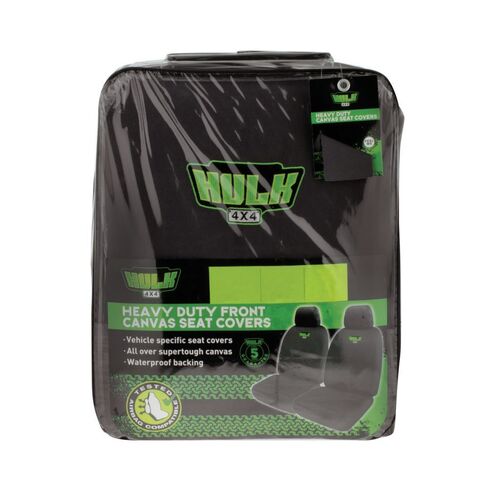
- Canvas: Heavy-duty canvas seat covers breathe significantly better than rubber. While canvas can feel hot to the touch if the car has been baking in the sun, it doesn't trap your body heat against the seat once you’re moving.
Winner: Canvas for long-distance touring and hot climates.
The Lifestyle Filter: Beach vs. Bush
Your weekend hobby should dictate your fabric choice.
- The Surfer/Beach Goer: If your 4x4 is a glorified changing room for the surf, neoprene is your best mate. It’s naturally waterproof and feels plush against bare skin. Salt water beads off, and it won't feel scratchy when you're in boardies.
- The Tradie/Farmer/Dog Owner: If your seats face red dirt, grease, tools, or a Kelpie with sharp claws, canvas is non-negotiable. Canvas is tear-resistant in a way that neoprene simply isn't. It’s designed to repel mud and grime rather than just standing water.
Winner: Neoprene for the coast; Canvas for the dirt.
Fit, Finish, and The Sag
How do you want your interior to look in six months?
- Neoprene: Known for the glove-like fit. Because the material is stretchy, it hugs the contours of modern seats perfectly. It looks premium from day one.
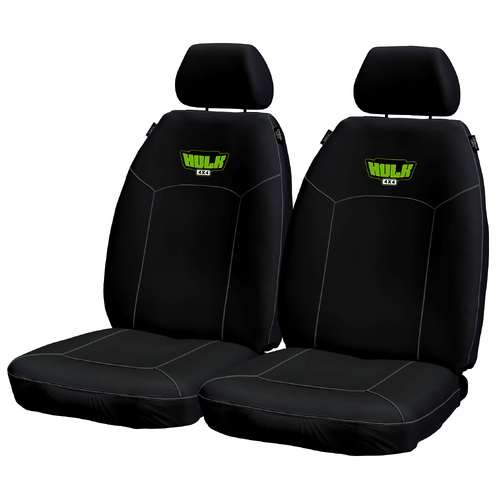
- Canvas: Can be stiff and commercial when first installed. It requires a wear-in period—similar to a good pair of leather boots. However, a high-quality set like Hulk 4x4’s universal canvas seat covers is tailored to the specific model to ensure that once it settles, it stays put.
Winner: Neoprene for immediate aesthetics; Canvas for long-term shape retention.
Maintenance and Longevity
Are you looking for a two-year fix or a ten-year investment?
- Longevity: Neoprene covers usually have a lifespan of 3–5 years before the UV starts to break down the rubber or the outer fabric pills. Heavy-duty canvas is a decade-plus investment. It is built to outlast your ownership of the vehicle.
- Cleaning: Neoprene can be wiped down easily with a damp cloth. Canvas is best maintained by vacuuming off the dust and spot-cleaning mud. If you spill a latte, the water-resistant coating on Hulk 4x4 canvas gives you time to soak it up before it hits the factory foam.
The Aussie Seat Cover Cheat Sheet
|
Feature |
Neoprene |
Hulk 4x4 Canvas |
|
Primary Use |
Beach & Daily Comfort |
Work, Dogs & Remote Touring |
|
Durability |
Moderate (can puncture) |
Extreme (tear-resistant) |
|
Breathability |
Low (can get sweaty) |
High (better for long hauls) |
|
Resale Value |
Protects from spills |
The "Gold Standard" for protection |
|
Cleaning |
Easy wipe down |
Vacuum & Spot clean |
Our Advice: If you treat your 4x4 like a tool, buy Canvas. It’s the only material that truly protects your resale value against the "triple threat" of Aussie sun, red dust, and heavy gear.