Steel Cable vs. Synthetic Rope: Which is Safer for Your Rig?
Date Posted:17 January 2025
If you’re standing deep in a muddy rut in the middle of the Vic High Country, the last thing you want to worry about is the 10-tonne "fuse" connecting your bullbar to a tree.
The debate between Steel Cable and Synthetic Rope is the oldest one in the 4x4 recovery world. While most modern tourers have made the jump to synthetic, steel still has a loyal following in specific Aussie industries. At Hulk 4x4, we know that a recovery line holds enough stored energy to be lethal—so picking the right one isn't just about price; it’s about your skill level and where you drive.
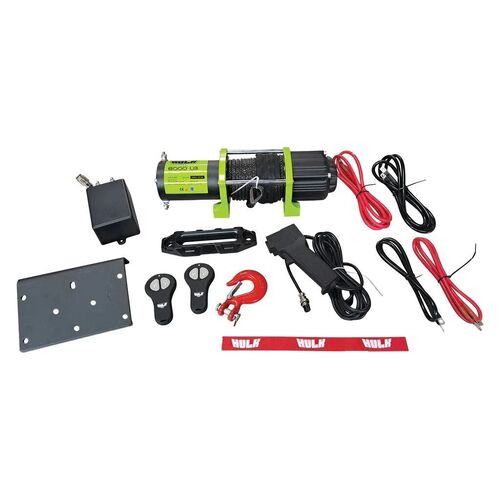
The Safety Factor
This is the number one concern for any Aussie 4x4er. When a line snaps under load, where does that energy go?
- Steel Cable: Steel is heavy and holds a massive amount of kinetic energy. If a steel line snaps, it tends to whiplash or recoil with enough force to cut through a vehicle's bodywork—or worse. This is why using a winch damper is non-negotiable with steel.
- Synthetic Rope: Synthetic rope is significantly lighter. Because they have very little stretch and mass, if they break, they generally just lose tension and drop to the ground. It’s a deadman effect that makes a high-stress situation much more predictable.
Winner: Synthetic Rope for peace of mind.
Meat Hooks vs. Soft Hands
Ask anyone who has used an old steel cable about meat hooks, and they’ll show you their scars.
- Steel Cable: Over time, steel cables develop burrs—tiny, razor-sharp wire strands that can pierce even the thickest leather gloves. They are also prone to kinking or birdnesting on the drum, which can permanently damage the cable.
- Synthetic Rope: It’s soft, easy to handle, and doesn't develop sharp burrs. It’s also about 15–20kg lighter than steel. If you’re the one dragging that line up a slippery hill to find a winching point, you’ll feel every gram of that difference.
Winner: Synthetic Rope for ease of use.
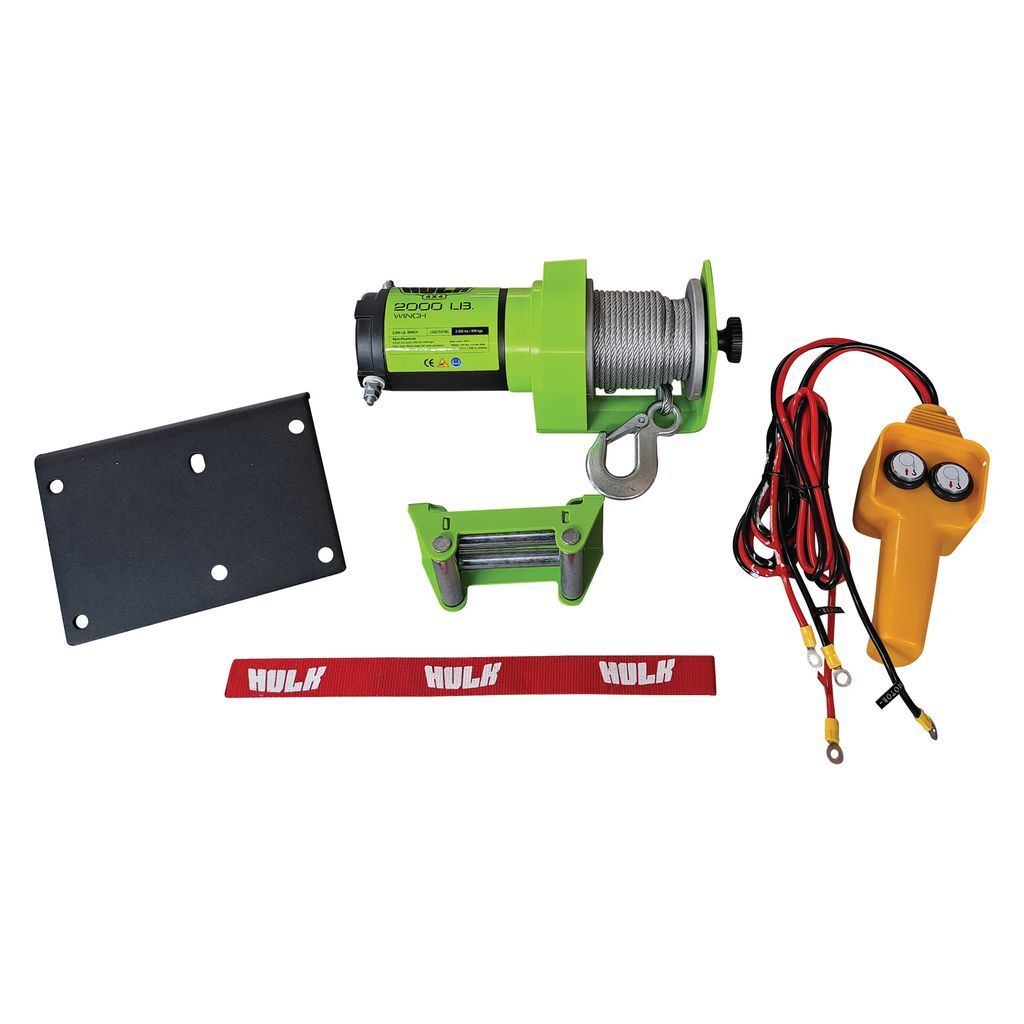
Durability & The Environment
This is where the "Steel is Real" crowd makes their stand.
- Abrasion Resistance: If you are winching over sharp granite rocks or dragging logs on a farm, steel wins. It’s incredibly tough and can handle being dragged over a jagged edge better than synthetic fibres.
- The Hidden Killers: Synthetic rope has two main enemies: UV rays and Grit. Leaving your rope exposed to the harsh Aussie sun will eventually rot the fibres, and fine sand getting into the weave can act like sandpaper, cutting the rope from the inside out.
Hulk 4x4 Tip: Always use a winch cover and give your synthetic rope a quick wash with fresh water after a muddy weekend to keep it in top shape.
Field Repairs: Can You Fix It?
Recovery gear always breaks at the worst possible time.
- Steel: If a steel cable snaps on the track, the recovery is effectively over. You cannot safely knot or splice a steel cable back together in the bush to complete a high-tension pull.
- Synthetic: One of the biggest advantages of synthetic rope is that it can be field-spliced. With a bit of know-how, you can weave a snapped rope back into itself and get your vehicle home safely.
Winner: Synthetic Rope for self-sufficiency.
Which Material is Best for You?
|
Feature |
Steel Cable |
Hulk 4x4 Synthetic Rope |
|
Primary Use |
Commercial, Logging, Tows |
Recreational Off-Road & Touring |
|
Weight |
Heavy (approx. 20kg+) |
Ultra-Light (approx. 2-4kg) |
|
Safety Risk |
High (lethal recoil) |
Low (minimal recoil) |
|
Maintenance |
Low (occasional oil) |
Moderate (needs washing/UV protection) |
|
Field Repair |
Impossible |
Possible via splicing |
Thinking of switching from Steel to Synthetic?
You can't just swap the lines and head out. If you’re upgrading your old winch to a Hulk 4x4 Winch, you MUST:
- Change your Fairlead: You need a smooth Aluminium Hawse Fairlead. Old roller fairleads used for steel often have burrs or gaps that will chew through synthetic rope in seconds.
- Check the Drum: If your winch drum is scratched up from years of steel use, sand it smooth before spooling on your new rope.
Our Verdict: For 99% of Australian enthusiasts, Synthetic Rope is the superior choice. It’s lighter, safer, and easier to live with—just don't forget to keep it clean!